
Bridging Misinformation Gaps: A Framework for Enhancing Trust and Financial Literacy in Microinsurance Adoption among Smallholder Farmers
Article Sidebar
Main Article Content
Abstract
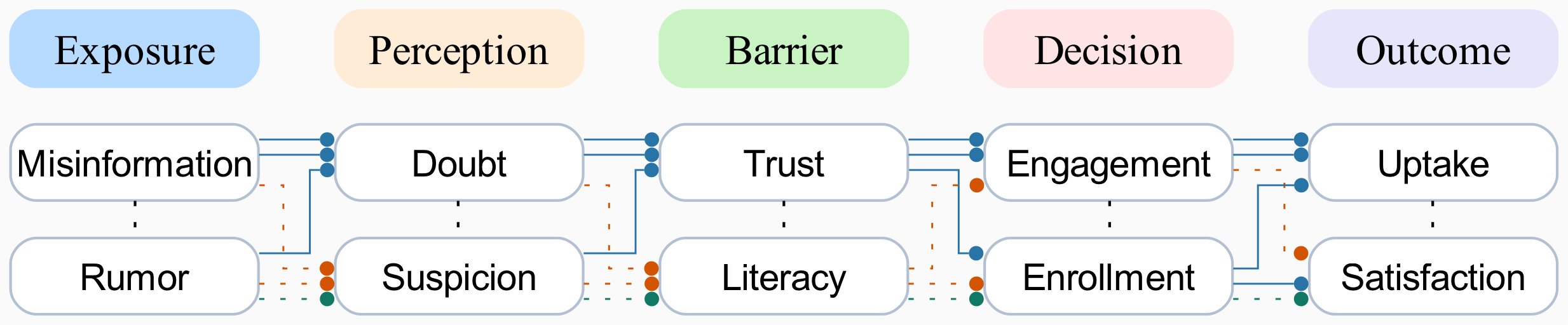
The small holder farmers in general have less access to the crop insurance due to their lack of awareness and also their sustained lack of faith or mis-understanding of the financial agencies. This paper provides an integrated mental model that brings together trust, healthy behaviour theories and established models of financial literacy to systematically review targeted financial education, community being based outreach, and responsive customer support as a means by which the barriers can be overcome. Building on a taxonomy of outreach strategies that had emerged from co-operative society intervention models, it evaluates mechanisms for re-establishing trust and long-term loyalty to microinsurance products. The model charts the spread of misinformation and articulates its impact on farmer beliefs, explicitly linking greater financial literacy to greater trust in the formal financial system. We learn that participatory communication, understandable claim processes, and culturally-relevant educational activities as they apply to crop insurance can significantly improve reach and engagement, lift financial literacy scores before and after interventions, and encourage enrolment and retention in crop insurance programs. The framework offers actionable directions for research, policy, and practice to build scalable interventions that would redress both the immediate context specificity of information gaps and the structural drivers of mistrust as means to enhance financial resilience among agricultural populations.