
The Longevity Sustainability Paradox in Tourism: Development Finance Perspectives on Low Carbon Travel Behaviour in Thailand’s Longevity Tourism Economy
Article Sidebar
Main Article Content
Abstract
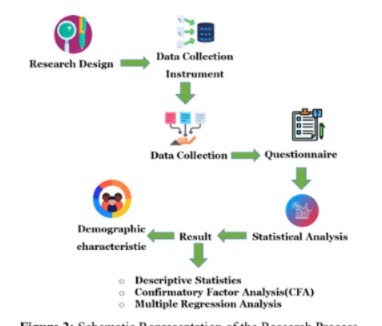
The rapid growth of longevity tourism, characterized by older travelers seeking extended, health-oriented stays, has created a paradox within sustainable tourism. While longevity tourism contributes substantially to local economies, prolonged stays and high expectations for comfort and service intensity can conflict with low-carbon objectives. From a development finance perspective, understanding the economic incentives and investment mechanisms that encourage sustainable tourist behaviour has become critical for balancing longevity tourism growth with low-carbon development goals. This research examines the economic dimensions of low-carbon travel behaviour (LCTB) among longevity tourists in Thailand, focusing on how perceived cost, convenience, and value for money interact with environmental attitudes, environmental awareness, and perceived responsibility to shape sustainability-related travel choices. Primary data were collected through a structured questionnaire administered to 345 longevity tourists across major destinations in Thailand. The associations between economic perceptions and psychological factors (independent variables) and LCTB (dependent variable) were examined using IBM SPSS (Version 26.0) and descriptive statistics, Confirmatory Factor Analysis (CFA), and multiple regression analysis. The results show that perceived travel cost negatively influences LCTB . Although environmental awareness is high, it often heightens concerns about increased costs, limited-service availability, and reduced comfort, thereby discouraging low-carbon choices. In contrast, pro-environmental attitude and perceived responsibility emerge as stronger predictors of sustainable behaviour than economic cognition alone, with environmental awareness strengthening the attitude behaviour relationship . Overall, the findings empirically confirm the longevity–sustainability paradox, highlighting that ethical commitment and shared responsibility are essential for promoting LCTB among longevity tourists in Thailand.
Keywords: Longevity Tourism, Sustainable Tourism, Willingness to Pay, Low Carbon, Travel Behaviour, Thailand Tourism, Development Finance; Green Tourism Investment
The rapid growth of longevity tourism, characterized by older travelers seeking extended, health-oriented stays, has created a paradox within sustainable tourism. While longevity tourism contributes substantially to local economies, prolonged stays and high expectations for comfort and service intensity can conflict with low-carbon objectives. From a development finance perspective, understanding the economic incentives and investment mechanisms that encourage sustainable tourist behaviour has become critical for balancing longevity tourism growth with low-carbon development goals. This research examines the economic dimensions of low-carbon travel behaviour (LCTB) among longevity tourists in Thailand, focusing on how perceived cost, convenience, and value for money interact with environmental attitudes, environmental awareness, and perceived responsibility to shape sustainability-related travel choices. Primary data were collected through a structured questionnaire administered to 345 longevity tourists across major destinations in Thailand. The associations between economic perceptions and psychological factors (independent variables) and LCTB (dependent variable) were examined using IBM SPSS (Version 26.0) and descriptive statistics, Confirmatory Factor Analysis (CFA), and multiple regression analysis. The results show that perceived travel cost negatively influences LCTB . Although environmental awareness is high, it often heightens concerns about increased costs, limited-service availability, and reduced comfort, thereby discouraging low-carbon choices. In contrast, pro-environmental attitude and perceived responsibility emerge as stronger predictors of sustainable behaviour than economic cognition alone, with environmental awareness strengthening the attitude behaviour relationship . Overall, the findings empirically confirm the longevity–sustainability paradox, highlighting that ethical commitment and shared responsibility are essential for promoting LCTB among longevity tourists in Thailand.
Article Details

This work is licensed under a Creative Commons Attribution-NoDerivatives 4.0 International License.