
Synthesizing Trust-Building and Financial Literacy Strategies: Conceptual Foundations for Cooperative Crop Microinsurance Outreach for Rural Development
Article Sidebar
Main Article Content
Abstract
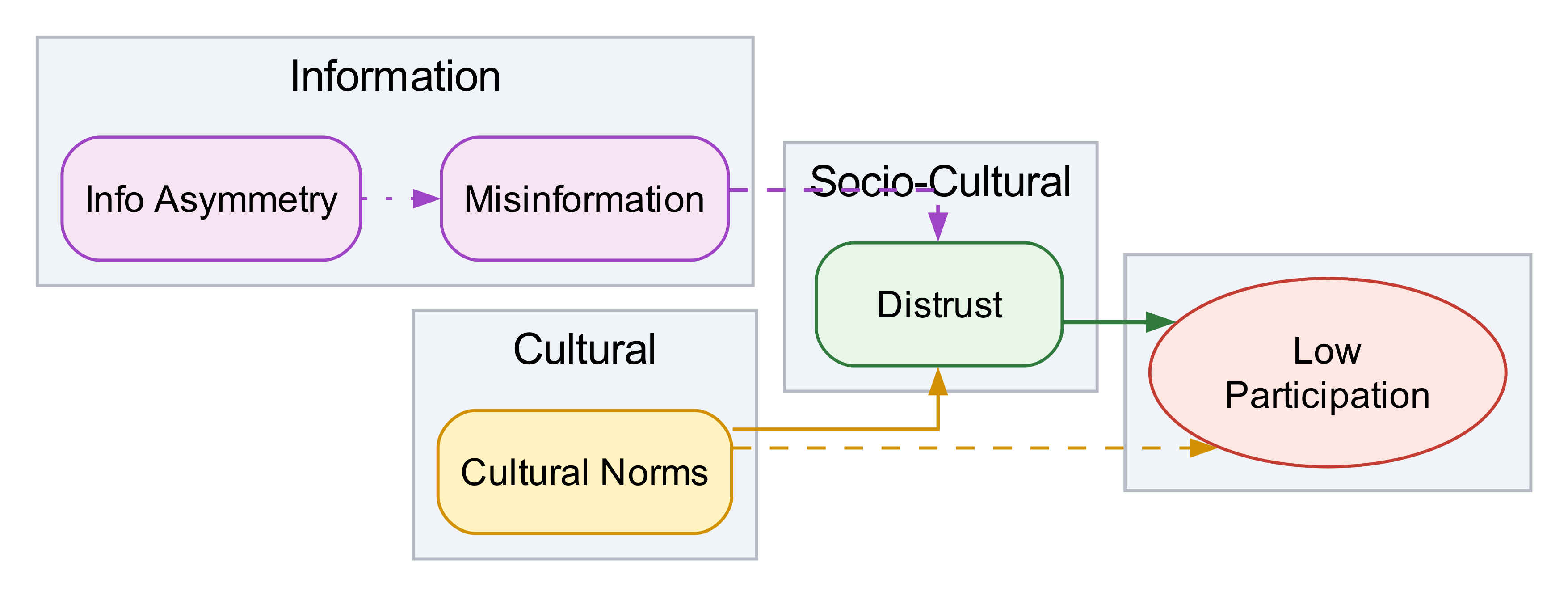
Crop microinsurance penetration rate is low among the smallholder farmers mainly because of the traditional lack of trust in the financial institutions and the lack of knowledge about procedures to claim. To address that challenge, this study utilizes existing trust-building theory, financial capability frameworks, and community-based outreach models to generate an integrated model applicable to product cooperatives. Using principles of systematic review and synthesis, this paper charts a course through the literature base to illustrate the ways programming implementation, communication transparency and peer-led intervention are already understood to successfully counter skepticism and misunderstanding. On such barriers such as information asymmetry, culture of negativity and historical final non-payment is been identified and thereby the mappings so derived lead the design of taxonomies in intervention trigger points in cooperative societies. The examination provides a matrix of outreach and literacy to assist in the development of context-specific, optimised interventions, which has practical implications for both practice and policy. It also identifies specific measures (e.g., trust perceptions) to assess intervention effectiveness, application of academic measures (i.e., financial literacy, intention to enrol), intermediate outcomes (i.e., reduction of misinformation among hard-to-reach populations), and participation in outreach. Our systematic approach also offers a practical foundation for the development and testing of microinsurance uptake-promoting interventions to facilitate inclusive and sustainable development of local financial systems in rural settings.